Truss Manufacturer Lead Times: What Arkansas Builders Should Expect in 2026
Understanding truss lead times can save Arkansas builders from costly scheduling delays. Knowing what to expect from a truss manufacturer before a project begins is one of the most practical things a builder can do in 2026. This guide covers every stage of the lead-time process, the factors that can stretch your timeline, and what builders in the Searcy, AR, area should do to stay on schedule.
What Is a Truss Lead Time and Why Does It Matter?
A truss lead time is the total time between placing your order and receiving finished trusses on your job site. The full lead time spans design engineering, material procurement, fabrication, quality review, and delivery. Each stage adds time to your schedule, and missing even one can push your framing crew off the job.
For builders in the Searcy, AR, area, getting this timeline right matters more than ever. Searcy has a humid subtropical climate, with hot summers and mild winters that create a predictable rush of construction activity in spring and early summer. When every builder in White County is ordering at the same time, lead times stretch.
The Four Stages of a Truss Order Timeline
Stage One: Design and Engineering Review
Your builder or designer submits plans, and the truss manufacturer creates shop drawings based on your roof pitch, span, load requirements, and layout. Design coordination and engineering review typically take one to two weeks, depending on complexity and how quickly all parties respond. Submitting finalized, accurate plans from the start can shave days off this stage.
Stage Two: Engineering Stamp and Permit Submission
Once shop drawings are complete, they often need an engineer's stamp before a building permit can be approved. In Arkansas, many construction jobs require a building permit, and White County is no exception. Permit submission and approval can stretch from one to three weeks depending on the municipality. Builders in and around Searcy should check with the White County Building Department early to understand current permit timelines before locking in a framing start date.
Stage Three: Fabrication
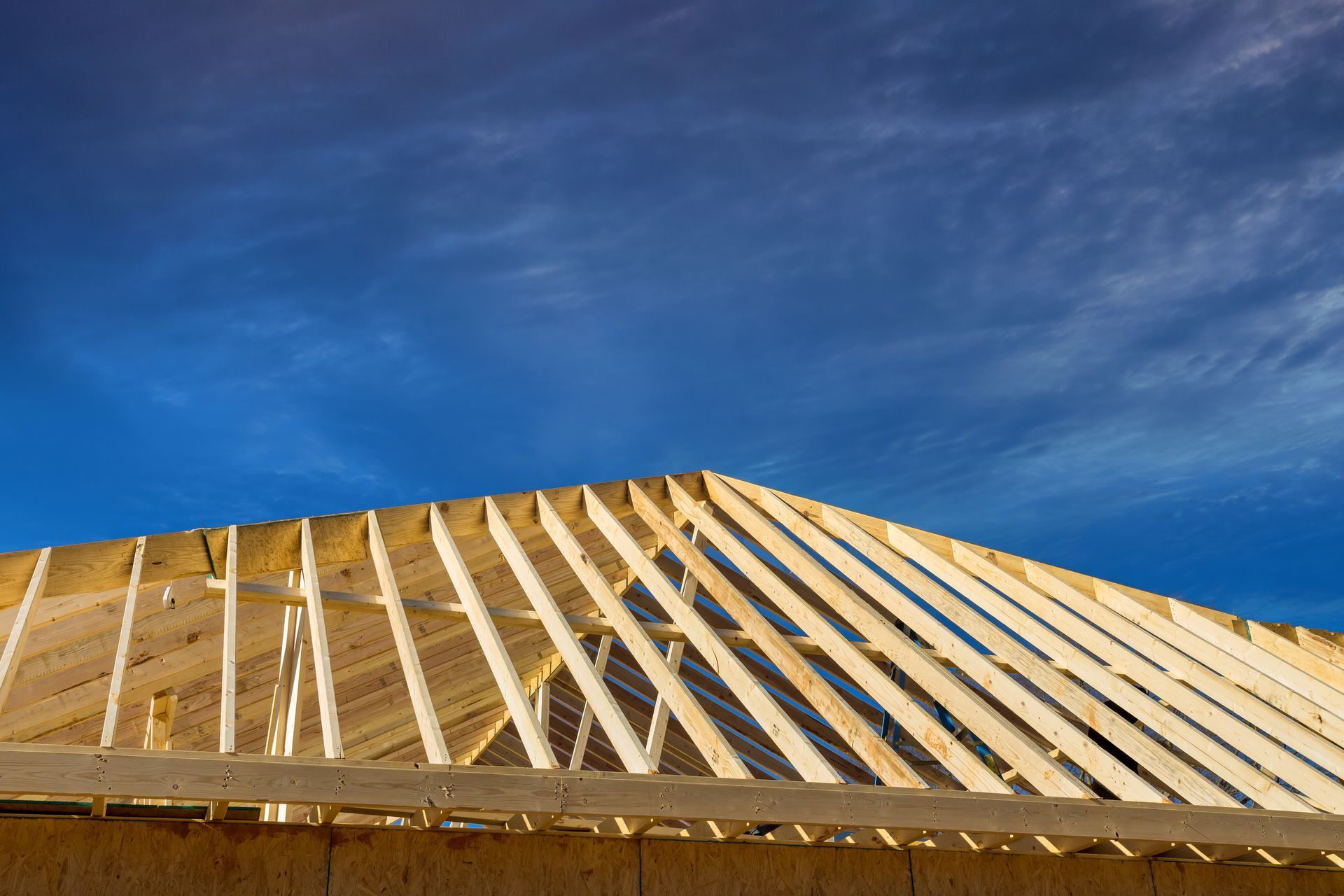
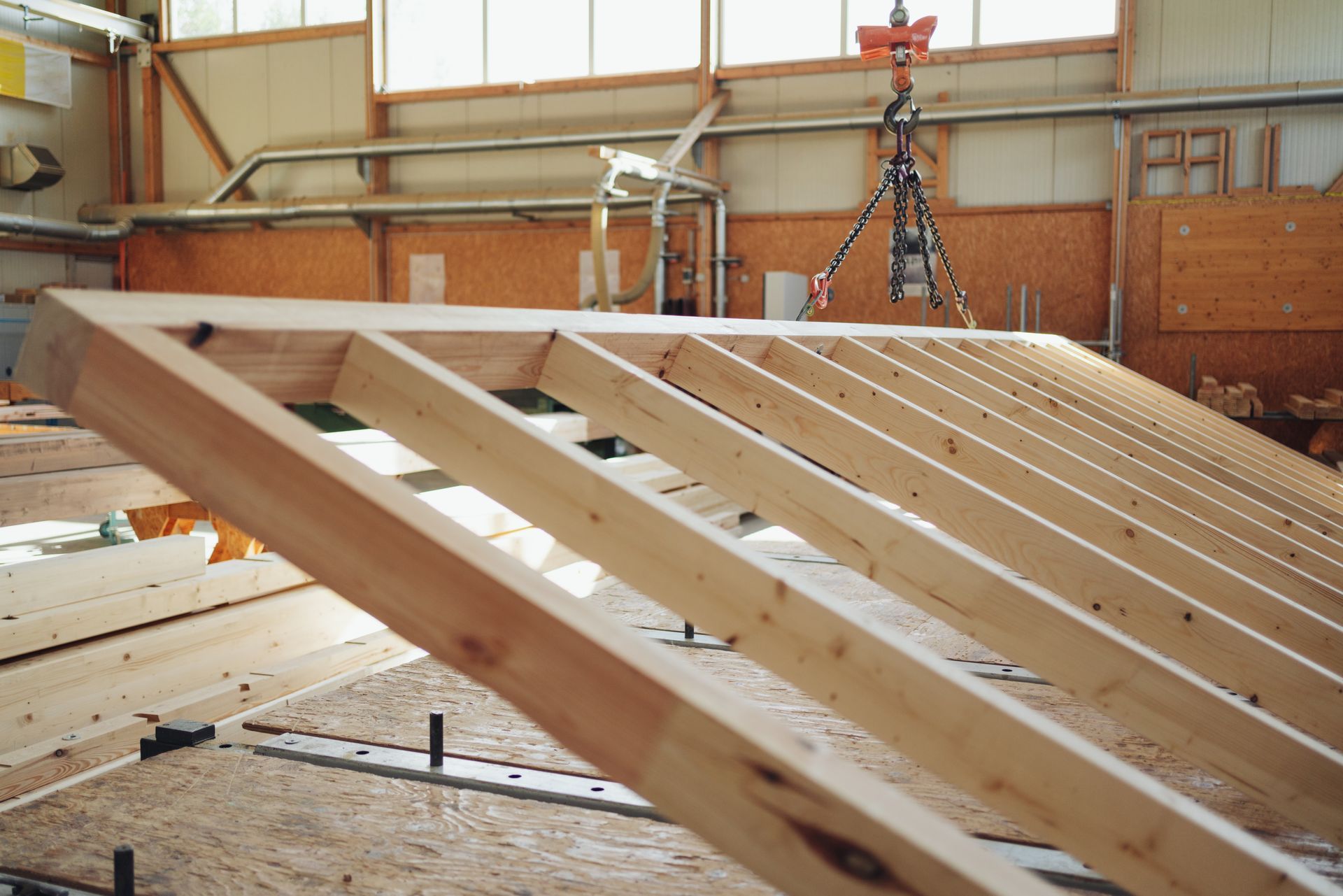
This is when the physical trusses are built. Manufacturing runs anywhere from two to six weeks, with longer timelines during peak season or for custom configurations. Standard gable trusses move faster through the shop than complex designs like scissor trusses, hip sets, or large-span commercial configurations. When a truss manufacturer is running at full capacity during the spring building rush, even standard orders may wait in the queue.
Stage Four: Delivery Scheduling
Once fabrication wraps, delivery must be coordinated. This usually takes just a day or two, but it still requires a clear site address, access for a crane or boom truck, and someone on-site to receive the load.
Factors That Can Push Your Timeline Out
Several variables can extend a truss lead time beyond the typical range.
- Complex roof designs with multiple pitches, cantilevers, or large clear spans require more engineering time and slower fabrication.
- High order volume at the manufacturer, especially from March through August, can add one to two weeks to any stage.
- Incomplete or revised construction plans that require redesign restart the engineering clock.
- Lumber and connector plate availability can shift with supply chain conditions.
- Permit delays at the local level, particularly in active markets like White County, can hold up the whole sequence.
Adding a 15 to 20 percent buffer to your estimated timeline is one of the most effective strategies for protecting your schedule.
Planning Tips for Arkansas Builders in 2026
Experienced builders treat trusses like a long-lead item, not an afterthought.
- Order trusses immediately after your permit is approved, not when framing is about to start. Aim for at least six to eight weeks of lead time before your needed installation date.
- Submit complete plans the first time. Missing load data, overhang specs, or bearing wall locations force revisions that delay engineering review.
- For larger commercial projects or custom designs, six to eight weeks is advisable. During peak summer season, add an extra one to two weeks.
- Coordinate your framing crew schedule around a confirmed delivery window, not an estimated one.
- Stay in contact with your truss manufacturer throughout. Early communication about changes can prevent costly redesigns.
For builders working on residential projects in Searcy and surrounding communities like Beebe, Bald Knob, and Judsonia, a regional truss manufacturer can help you map out a realistic schedule. Review the custom roof truss page to understand how design options may affect your timeline, and see the engineered floor trusses page if floor systems are part of your project.
How Far in Advance Should I Order Trusses?
For standard residential projects, place your truss order at least four to six weeks before your needed installation date. For commercial builds or complex custom designs, six to eight weeks is more appropriate, and peak-season orders may need additional lead time.
What Makes a Truss Order Take Longer to Produce?
Complex roof geometry, large clear spans, multi-family projects, and high order volume at the plant can all extend fabrication time. Incomplete or revised plans are one of the most common causes of unexpected delays.
Does Permitting Affect Truss Lead Times?
Yes. In many Arkansas jurisdictions, including White County, building permits must be approved before trusses can be ordered or delivered. Permit delays directly push back your truss delivery and framing start date.
What Can Builders Do to Speed Up the Process?
Submit complete, finalized plans from the start, order early, maintain communication with your truss manufacturer, and build a buffer week or two into peak-season orders.
Work With a Truss Manufacturer Serving the Searcy, AR, Area
Planning ahead is the single best thing an Arkansas builder can do to keep truss lead times manageable in 2026. Knapp Truss Inc. manufactures custom wood roof and floor trusses for residential, commercial, and agricultural projects, serving builders in Searcy, AR, and throughout the surrounding region. Working with a local truss manufacturer means shorter delivery distances, direct communication, and a team familiar with local building requirements. To get your project on the schedule, request a custom truss quote today.
Recent Posts